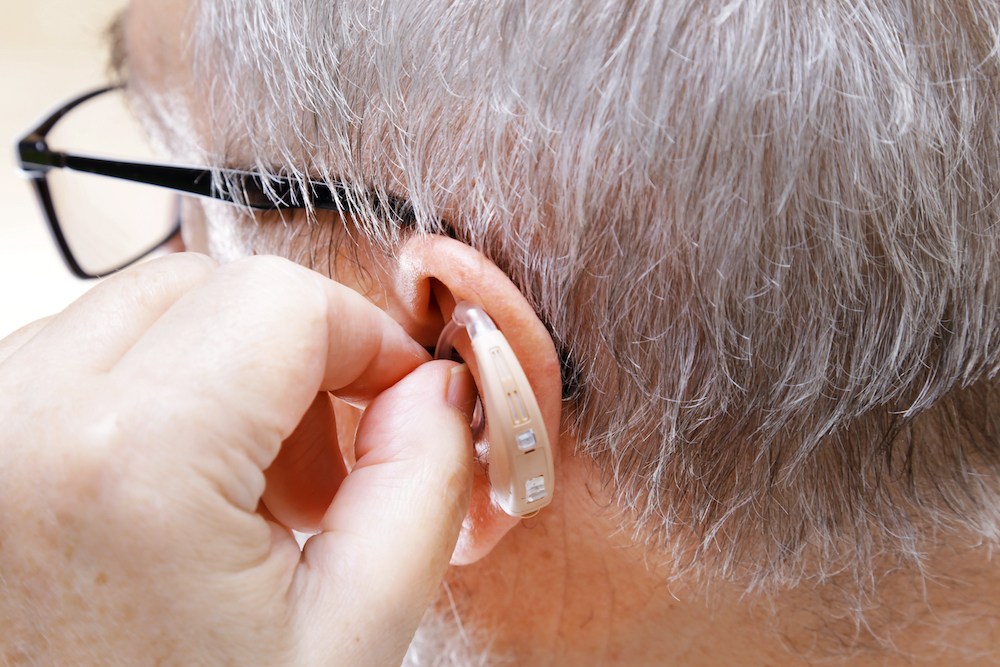
The Heritage Days festival downtown always draws a crowd, even with the kind of heat and humidity that has everyone fanning themselves by early afternoon.
If you’ve spent time out there, in a lawn chair or wandering between food vendors, you know how quickly you start sweating without even noticing it. Your hearing devices notice, though.

Moisture and heat build up around them faster than most people expect, especially during a long day outdoors in west central Illinois summers.

That buildup can affect more than just comfort. Sweat and humidity can interfere with sound quality and, over time, wear down the components inside your devices. Farm work, mowing or just sitting outside on a hot evening can add up the same way.

A few simple habits, like drying your devices off and giving them a break from the heat, can help them hold up better through the rest of summer.

How Heat, Humidity and Sweat Affect Hearing Aids

Summer weather can be hard on hearing aids, even when they never touch a pool or lake. Heat and humidity allow moisture to collect around microphones, tubing and battery compartments.

Sweat adds another layer of risk. It carries salt, which can leave residue behind as it dries. That buildup may interfere with battery contacts or other small components inside the device.

You may notice distorted sound, unusual beeping, feedback or a battery that drains sooner than expected. Some hearing aids may also cut in and out until the moisture dries.

Sunscreen and bug spray can create problems too. Applying them before inserting your hearing aids helps keep oily residue away from microphones and controls.

Protecting Hearing Aids Around Water and Summer Storms

A west-central Illinois summer can change quickly. Heavy humidity rolls off the cornfields, then an afternoon thunderstorm arrives before you have time to get indoors.

Rain is not the only concern. Pools, lakes, sprinklers and boat spray can expose hearing aids to more water than they can safely handle. Water may reach internal components within seconds.

Remove your hearing aids before swimming, even when the devices have a water-resistance rating. That rating may offer some protection from splashes, but it does not make them safe for submersion.

Keep a waterproof case nearby when spending time outdoors. A small container in your bag, vehicle or cooler pocket gives you somewhere safe to store them when the weather changes.

If your hearing aids get soaked, remove the batteries when possible and wipe the devices with a soft, dry cloth. Place them in a hearing aid dryer rather than using a hair dryer, oven or direct sunlight.

Keeping Sunscreen, Dust and Debris Away From Hearing Aids

Hiking, biking and outdoor sports expose hearing aids to more than heat. Dust, loose soil and fine debris can settle around microphone openings and controls.

Sunscreen, lotion and insect repellent can make that debris stick. The residue may block microphone ports or collect around battery doors, buttons and charging contacts.

Apply skincare products before putting in your hearing aids. Give them time to absorb, then wash and dry your hands before touching the devices.

During longer activities, check the area around your ears for lotion or dirt. A clean, dry cloth can remove surface residue before it works into smaller openings.

Do not use household cleaners, alcohol or running water on your hearing aids. Follow the cleaning instructions provided for your model and use the recommended brush or tool.

Warning Signs of Moisture Inside Your Hearing Aids

Moisture problems do not always cause a complete shutdown. The first changes may be brief, inconsistent or easy to blame on the environment.

Watch how your hearing aids behave throughout the day. Several recurring problems can signal that moisture has reached the device:

  • Static or crackling that was not present earlier
  • Volume that drops and returns without an adjustment
  • Sound that suddenly becomes muted in one or both ears
  • A delay when the hearing aid starts
  • Condensation beneath or around the battery door

A Simple Nightly Hearing Aid Cleaning Routine

A few minutes of care each evening can remove what collected during the day. This routine also gives you a chance to inspect each device closely.

Follow the cleaning instructions for your specific hearing aid model. Use only tools designed for hearing aids.

  • Wipe each hearing aid with a soft, dry cloth to remove surface buildup.
  • Brush debris away from microphone openings, vents and battery compartments.
  • Check wax guards, domes and tubing for anything that could restrict sound.
  • Open the battery doors overnight or place rechargeable devices in their recommended dryer.
  • Leave the devices in a secure area where pets and children cannot reach them.

Safe Summer Storage and Protective Hearing Aid Covers

Where hearing aids are stored can matter as much as how they are cleaned. Heat can affect batteries, adhesives and sensitive internal parts. Never leave hearing aids on a dashboard, windowsill or inside a parked vehicle. A closed glove box or bag can also become dangerously hot.

Choose a shaded indoor location with low humidity whenever the devices are not being worn. Keep them inside their case rather than loose in a pocket or purse.

Hearing aid sleeves can provide another barrier during sports, yardwork or other active outings. These fabric covers fit around the devices while leaving the microphones accessible.

A sleeve may limit exposure to sweat, dust and skincare residue, but it cannot make a hearing aid waterproof. Remove and clean the cover after use. Ask your audiologist which accessories fit your hearing aid style.

Helping Hearing Aid Batteries Last in Hot Weather

Disposable hearing aid batteries tend to burn out faster once the weather turns hot and sticky. Heat cuts into how long they last, and moisture can mess with the metal contacts inside the compartment.

Put those two together, and you can end up with low battery warnings or a device that just shuts off out of nowhere.

Keep unused batteries in their original packaging until you need them. Store them somewhere cool and dry, but never place them in the refrigerator or bathroom. Both locations can expose batteries to condensation or excess humidity.

After removing the tab from a zinc-air battery, let it sit for about five minutes before inserting it. This allows air to activate the battery fully before it begins powering the hearing aid. Wash and dry your hands first so lotion, moisture or dirt does not transfer to the contacts.

Replace any battery that appears swollen, discolored or damaged. A leaking battery can harm the compartment and should be removed carefully. Frequent shutdowns or repeated alerts may also mean the battery needs to be changed.

What to Do When a Hearing Aid Gets Wet

A hearing aid that gets wet needs attention right away, even when it still seems to work. Water can remain inside the casing after the outside feels dry. Leaving the device powered on may increase the chance of internal damage.

Follow these steps in order:

  • Remove the hearing aid from your ear and turn it off.
  • Open the battery door and remove the battery from a disposable-battery model.
  • Wipe the outside gently with a clean, dry cloth.
  • Place the hearing aid in a drying system made for hearing devices.
  • Leave the hearing aid off until it has dried completely.

Do not place a wet rechargeable hearing aid on its charger. Moisture near the charging contacts can create additional problems. Follow the manufacturer’s instructions before turning it on again.

When Your Hearing Aids Need Professional Attention

Some hearing aid problems continue after the device has been cleaned, dried and fitted with a fresh battery. Static, distorted sound or repeated shutdowns may point to an internal issue. Moisture can also cause corrosion that is not visible from the outside.

An audiologist can inspect the microphones, battery contacts, receivers and other small components.

The device may need a deeper cleaning, a replacement part or updated programming. Testing can show whether the problem is limited to one component or affects the entire hearing aid.

Some repairs can be completed in the office, while others must be sent to the manufacturer. Your audiologist can explain the damage, expected repair options and any available coverage.

Getting Ahead of Summer Wear and Tear

Summer in west-central Illinois isn’t easy on hearing devices, and most people don’t realize it until something starts sounding off. Our team at Macomb Audiology & Hearing Aid Center can check your devices for wear you might not notice on your own.

We’ll go over some easy habits that can help them last through the rest of the season. If something feels different lately or you just want a checkup, give us a call at (309) 731-4296.